Fiber-Maxxing in 2026: The Science-Backed Wellness Trend Replacing the Protein Obsession
- Apr 29
- 5 min read
For years, “protein” has dominated every health conversation — from Instagram reels to gym chatter. But 2026 is rewriting that script. A new term is taking over wellness feeds and clinical research papers alike: fiber-maxxing.
And unlike most viral diet trends, this one has serious science behind it.
If you’ve been hearing the buzzword everywhere and wondering whether fiber-maxxing is actually worth the hype — or how to start it the right way — this guide breaks down everything you need to know.
What Is Fiber-Maxxing?
Fiber-maxxing simply means deliberately increasing your daily dietary fiber intake to support gut health, weight management, blood sugar control, and long-term disease prevention.
Dietary fiber is a plant-based carbohydrate that the human body cannot digest. Instead of being broken down for energy like other carbs, it travels through your digestive system — feeding gut bacteria, regulating blood sugar, and supporting healthy digestion along the way.
According to the ICMR-NIN 2024 revised guidelines, the average Indian adult should consume 30 to 40 grams of fiber daily. Most Indians today get less than half of that.
Soluble vs Insoluble Fiber: What’s the Difference?
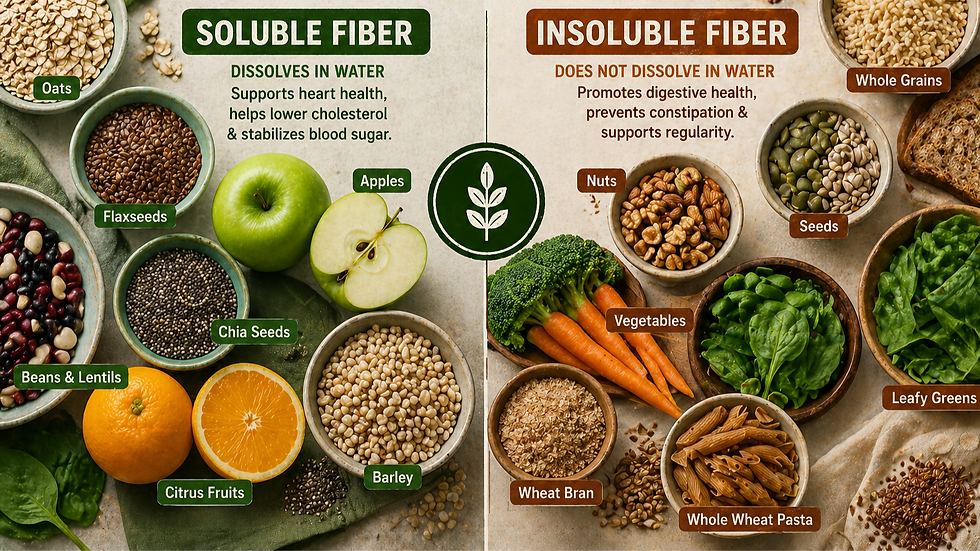
Not all fiber works the same way. There are two main types, and your body needs both:
Soluble fiber dissolves in water and forms a gel-like substance in your gut. It helps lower LDL cholesterol, slows down sugar absorption, and keeps you fuller for longer. You’ll find it in oats, apples, beans, and flaxseeds.
Insoluble fiber does not dissolve in water. It adds bulk to your stool and helps food move smoothly through your digestive tract — preventing constipation and supporting regularity. Whole grains, leafy greens, and vegetable skins are rich sources.
A balanced fiber-maxxing approach includes both types every day.
7 Science-Backed Benefits of Fiber-Maxxing
1. Sustainable Weight Loss Without Calorie Counting
Fiber-rich foods expand in the stomach, signalling fullness to the brain faster. This naturally prevents overeating — no apps, no calorie tracking required.
Even better, fiber regulates two key hunger hormones: it reduces ghrelin (the hunger hormone) and optimises leptin (the fullness hormone). The result? Fewer cravings and steadier appetite control throughout the day.
2. Better Blood Sugar and Diabetes Control
Fiber acts like a “natural brake” on blood sugar spikes. When you eat refined carbs alone — like white rice or sugary drinks — glucose floods your bloodstream rapidly, overworking your pancreas.
Pairing those same carbs with fiber slows sugar absorption, improves insulin sensitivity, and reduces the long-term risk of type 2 diabetes. This is why a fiber-first plate is now standard advice in modern diabetes management.
3. A Healthier Gut Microbiome
Your intestines are home to trillions of beneficial bacteria collectively known as the gut microbiome. These bacteria influence your immunity, mood, and even brain function.
Fiber serves as a prebiotic — essentially food for these good bacteria. When they ferment fiber, they produce short-chain fatty acids (SCFAs) that reduce gut inflammation and may protect against colon cancer.
4. Lower Cholesterol and Heart Health
Soluble fiber binds to LDL (“bad”) cholesterol in the digestive tract and flushes it out before it reaches your bloodstream. Over time, this lowers your risk of arterial plaque, heart attacks, and strokes.
5. Healthier Blood Pressure
Multiple clinical studies have linked high-fiber diets to lower systolic and diastolic blood pressure — making fiber-maxxing especially valuable for anyone with hypertension or a family history of heart disease.
6. Reduced Cancer Risk
Research consistently shows that high-fiber diets reduce the risk of colorectal cancer. Fiber speeds up the elimination of waste, limiting the time potential carcinogens spend in contact with the gut lining.
7. Natural Detoxification
Fiber acts as your body’s “natural broom.” It binds to excess bile, toxins, and waste in the intestines and helps flush them out — supporting liver function and overall detox without needing expensive cleanses.
How Much Fiber Per Day? (ICMR Recommendations)
The ICMR-NIN 2024 guidelines recommend:
Adults: 30–40 grams of fiber per day
Daily fruits and vegetables: at least 400 grams combined
Pulses: unpolished, with skin intact whenever possible
The catch? Most urban Indians eat just 15–18 grams daily — roughly half the recommended amount.
Your Fiber-Maxxing Diet Plan: A Simple Indian Blueprint

You don’t need expensive imported supplements to fiber-max. Indian kitchens already have everything you need.
Breakfast ideas: Start with sprouted moong, ragi (finger millet) roti or dosa, or whole rolled oats with seeds. Skip the white bread and packaged cereals — they’re stripped of fiber.
Lunch and dinner: Replace polished white rice with hand-pounded rice, bajra (pearl millet), or jowar (sorghum). Add at least one fiber-rich vegetable like bhindi, gawar, or palak. Keep the skin on your dal — unpolished pulses contain significantly more fiber than polished varieties.
Fruits and snacks: Choose whole fruits over juices. Apples with the skin, guavas, oranges, and papayas are excellent options. For snacks, go with roasted chana, a handful of almonds, or sliced cucumber instead of biscuits.

Common Mistakes to Avoid When Fiber-Maxxing
Most people who try fiber-maxxing make two mistakes that ruin their progress:
Mistake 1: Not drinking enough water. Fiber needs water to do its job. Without enough hydration, high-fiber diets can actually cause constipation instead of relieving it. Aim for 2.5–3 litres of water daily when increasing fiber.
Mistake 2: Increasing fiber too fast. Jumping from 15g to 40g overnight is a recipe for bloating, gas, and stomach discomfort. Increase your intake gradually — about 2–3 grams per day — and let your gut bacteria adapt.
Frequently Asked Questions
Is fiber-maxxing safe for everyone? For most healthy adults, yes. However, people with IBS, IBD, or other digestive conditions should consult a registered dietitian before significantly increasing fiber.
Can fiber-maxxing help with belly fat? Yes — research shows that soluble fiber specifically targets visceral fat (the dangerous fat around organs) by improving insulin sensitivity and reducing appetite.
Do fiber supplements work as well as whole foods? Whole foods are always better. Real foods provide a mix of fiber types, vitamins, minerals, and phytonutrients that supplements simply cannot replicate. Use supplements only when whole-food intake isn’t possible. How long does it take to see results from fiber-maxxing? Digestive improvements often appear within 1–2 weeks. Cholesterol, blood sugar, and weight changes typically show up in 4–8 weeks of consistent intake.
Which Indian foods are highest in fiber? Ragi, bajra, jowar, rajma, chana, sprouted moong, guava, methi, palak, and unpolished dals top the list.
The Bottom Line
Health is no longer just about the muscles you build at the gym — it starts deep inside your gut. Fiber-maxxing isn’t another social media trend that’ll disappear next year; it’s a return to the way your grandmother already ate, now backed by clinical research. Start small, stay consistent, and let your plate do the medicine.
Food is medicine. And the best place to begin is with fiber.
Looking for a personalised fiber-maxxing plan tailored to your body type, lifestyle, and health goals? [Book a consultation with our nutrition team] to get a custom diet roadmap.

Comments