Gut Health and Fermented Foods: The Key to a Healthy Life
- May 6
- 2 min read
A healthy gut is the foundation of a healthy body." This ancient wisdom is now being echoed by modern medical science. Today, Gut Health is not just a medical term; it’s a global wellness movement.
"A healthy gut is the foundation of a healthy body." This ancient wisdom is now being echoed by modern medical science. Today, Gut Health is not just a medical term; it’s a global wellness movement.
Probiotics vs. Prebiotics: What’s the Difference?
In the world of gut health, these two terms are often used interchangeably, but they serve very different purposes:
Probiotics: These are live 'good bacteria.' When you consume yogurt or fermented foods, you are introducing these beneficial microbes directly into your system. Think of them as the "seeds" for a healthy gut.
Prebiotics:These are specialized plant fibers that act as food for the good bacteria. They are found in foods like garlic, onions, bananas, and whole grains. Think of these as the "fertilizer"that helps the seeds grow.
The Science of Fermented Foods in Indian Culture
While the West is currently rediscovering gut health through 'Kombucha' or 'Kimchi,' Indian cuisine has utilized the science of fermentation for millennia.
1. Curd (Dahi) and Buttermilk (Taak): Curd is rich in Lactobacillus, a powerhouse probiotic. Buttermilk, often called 'nectar on Earth' in Ayurveda, aids digestion and cools the system.
2. Traditional Fermentation: Staples like Idli, Dosa, and Dhokla are made by fermenting lentils and rice. This process significantly increases the bioavailability of Vitamin B12
and Folic Acid.
3. Kanji: A traditional probiotic drink made from black carrots or beets, Kanji is excellent for blood circulation and digestive health.
The Gut-Brain Axis: How Your Stomach Rules Your Mood
Have you ever felt "butterflies" in your stomach when nervous? This is the Gut-Brain Axis in action. Your gut and brain are physically connected via the Vagus Nerve.
Remarkably, about 95% of the body's Serotonin the hormone responsible for happiness and mood stabilization is produced in the gut, not the brain. Research suggests that a healthy microbiome can help combat anxiety and depression.
Medical Evidence and Data
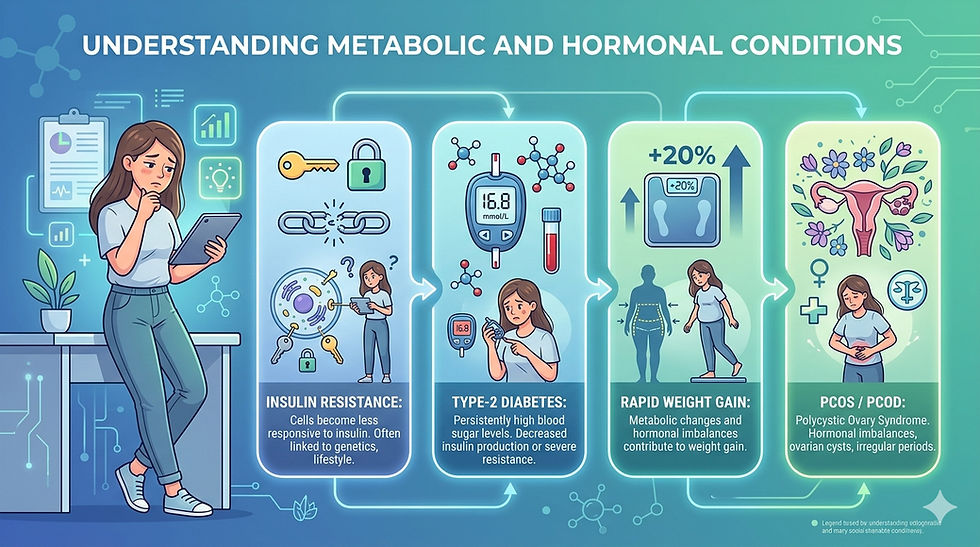
Chronic Disease Prevention: Studies published in The Lancet indicate that diets high in fiber and fermented foods are linked to a lower risk of Type 2 diabetes and heart disease.
Immunity: Nearly 70% of the immune system is located in the gut. Good bacteria create a defensive barrier against harmful pathogens.
Weight Management: Research in Nature shows that individuals with a diverse microbiome tend to have a healthier metabolic rate and easier weight management.
How to Improve Your Gut Health Today
1. Prioritize Whole Foods: Avoid highly processed and packaged foods, as preservatives can kill beneficial bacteria.
2. Reduce Sugar Intake: High sugar consumption feeds the "bad" bacteria, leading to dysbiosis.
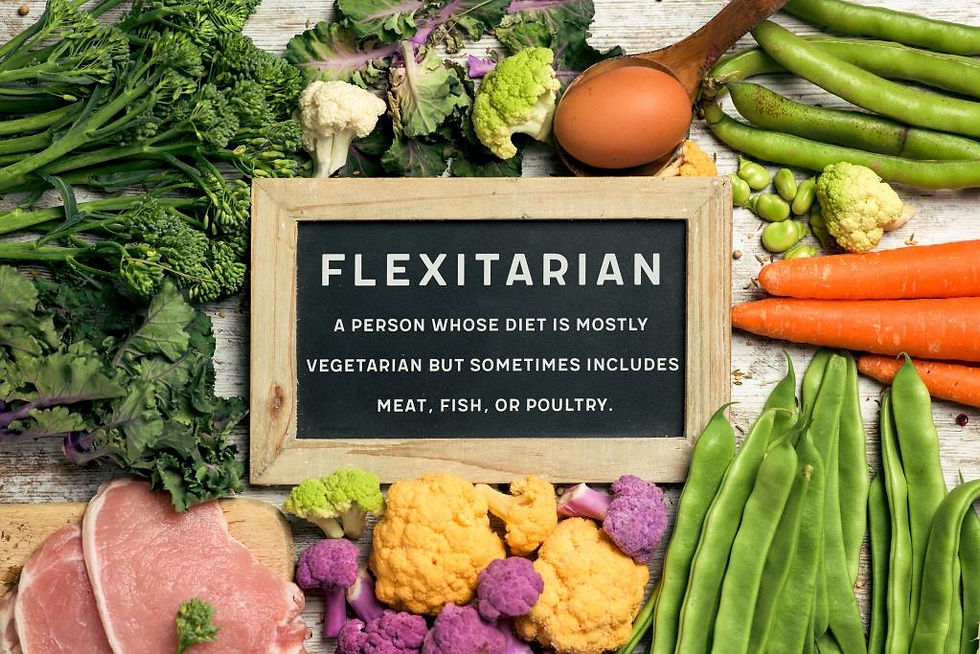
3. Eat the Rainbow: Diversity in your diet (different colored fruits and vegetables) leads to a more diverse and resilient microbiome.
4. Prioritize Sleep: Chronic stress and lack of sleep directly deplete your gut flora.
Conclusion
Gut health is more than a trend; it’s a lifestyle. By embracing naturally fermented foods and a balanced diet, we can nurture our microbiome. Remember: take care of your gut, and it will take care of you!

Comments