Revolution on the Plate: How Clean Label & Sustainable Diets Are Shaping the Future of Health
From ultra-processed traps to clean, eco-friendly eating: An expert dietitian's guide to navigating modern consumer trends, gut health, and conscious living.
In today’s fast-paced world, convenience has long overshadowed quality. For years, the primary question surrounding our food was “How fast can I get it?” rather than “What is it doing to my body?”
However, a powerful shift is underway. Consumers are becoming increasingly conscious of what goes into their bodies. The "food chemistry" hidden behind colorful, glossy packages on supermarket shelves is finally being exposed. According to recent Consumer Market Reports, modern buyers are no longer eating just to satisfy immediate hunger—they are evaluating how their dietary choices impact their personal health and the planet.
Moving away from ultra-processed foods toward Clean Label (transparent, natural ingredients) and adopting a Sustainable Diet in the face of climate change is no longer just a passing wellness trend. It is a necessity. As a Registered Dietitian, I witness this transformation daily: people are shifting their focus from merely counting calories to understanding food quality and sourcing.
1. Decoding 'Clean Label': Reading Beyond the Packaging
In simple terms, a Clean Label refers to food products made with natural, wholesome ingredients free from synthetic chemicals, artificial colors, artificial flavors, and chemical preservatives. If an ingredient list contains simple, recognizable items that you would easily find in a home kitchen, it qualifies as a Clean Label product.
Whole Foods (Fruits/Grains) ➔ Minimal Processing (Grinding/Cutting) ➔ Ultra-Processed (Chemicals/Colors/Refined Sugar)
(Optimal Health) (Balanced Choice)
(Root of Chronic Diseases)
How to Read an Ingredients Label Like a Pro
When purchasing packaged goods, checking the ingredient list is essential. A golden rule of nutrition to remember: "If your grandmother wouldn't recognize an ingredient on the label, your body probably won't either."
The Top Three Rule: Ingredients are listed in descending order by weight. If refined sugar, refined wheat flour (maida), or hydrogenated oils occupy the top three spots, put the item back on the shelf.
Beware of E-Numbers and Complex Codes: Identifiers like INS 211, E102, or E621 are synthetic preservatives, stabilizers, and chemical flavor enhancers disguised behind numeric codes.
The Problem with Ultra-Processed Foods (NOVA Classification)
In nutritional science, the NOVA Classification system categorizes foods based on the extent of industrial processing. Group 4 represents Ultra-Processed Foods (UPFs) such as potato chips, packaged cheese snacks, instant noodles, fizzy soft drinks, and ready-to-eat meals.
UPFs are practically devoid of natural fiber, vitamins, and minerals. Instead, they are packed with high-fructose corn syrup, trans fats, and excessive sodium.
How Chemical Additives Harm Your Health
Disrupting Gut Health (The Microbiome): Our digestive tract hosts trillions of beneficial bacteria responsible for immunity, digestion, and mood regulation. Artificial sweeteners and emulsifiers damage these microbes, leading to bloating, acidity, and chronic gut inflammation.
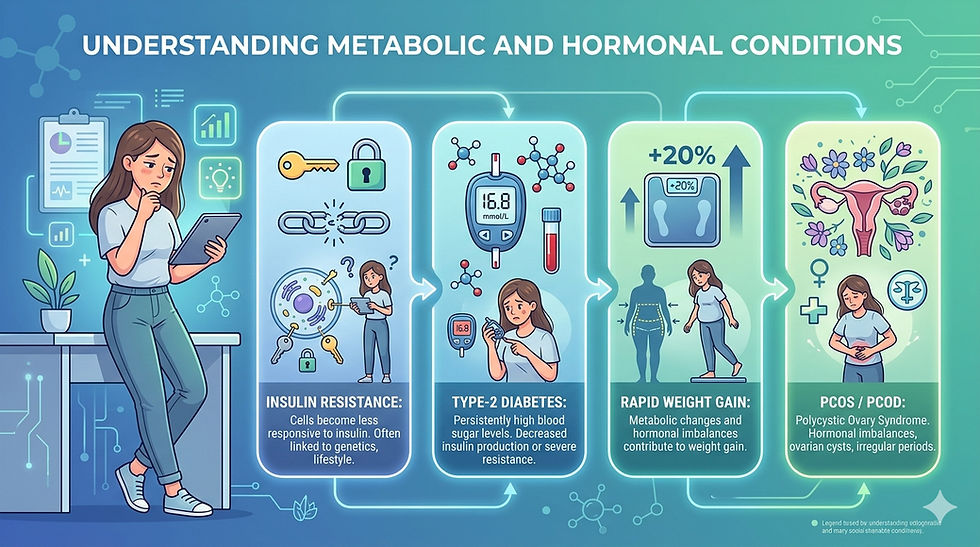
Slowing Down Metabolism: Ultra-processed foods cause rapid spikes in blood sugar and insulin levels, disrupting metabolic balance and driving weight gain.
Triggering Chronic Diseases: Regular consumption of synthetic additives causes low-grade internal inflammation—a key risk factor for Type 2 diabetes, cardiovascular disease, fatty liver disease, and metabolic syndrome.
2. Sustainable Diets: Healthy Body, Healthy Planet
What we put on our plates affects not only our bodies but also the health of our planet.
Globally, the agricultural and food production supply chain accounts for roughly 25% to 30% of all greenhouse gas emissions.
Chemical-heavy agriculture, excessive water usage, long-distance food transportation (Food Miles), and deforestation driven by industrial livestock farming significantly expand our carbon footprint. Adopting a sustainable diet is the key to counteracting this environmental strain.
Sustainable Diet Pillars:
├── 1. Local & Seasonal Produce (Lower Food Miles)
├── 2. Plant-Forward & Ancient Grains (Millets)
└── 3. Zero Food Waste (Reduced Methane Emissions)
Core Principles of Sustainable Eating
A) Prioritize Local & Seasonal Produce
Consuming fruits and vegetables grown natively within a 50–100 km radius during their natural season maximizes health and minimizes environmental impact.
Nutritional Benefit: Seasonal foods naturally contain the specific nutrients our bodies require during that time of year.
Environmental Impact: Sourcing locally eliminates the massive carbon footprint associated with flying or shipping exotic produce across continents.
B) Embrace Plant-Forward Diets & Ancient Grains (Millets)
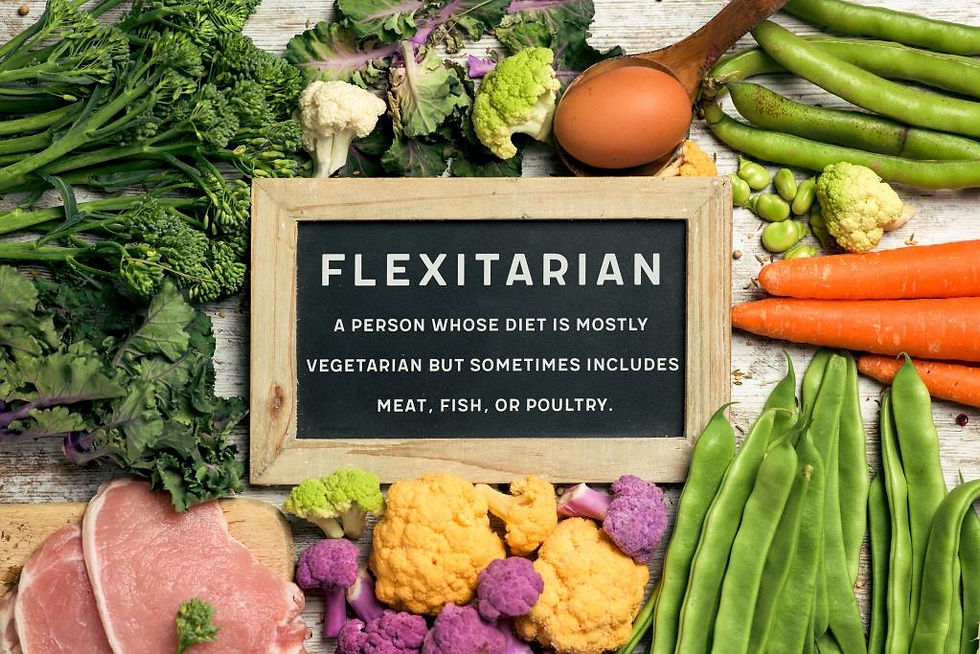
A sustainable diet does not require everyone to turn strictly vegan overnight; rather, it encourages placing plant-based foods at the center of the plate.
The Revival of Millets: Ancient grains like finger millet (ragi), sorghum (jowar), and pearl millet (bajra) are nutrient-dense superfoods.
Eco-Friendly Crop: Millets require minimal water to cultivate, thrive in harsh weather without heavy chemical fertilizers, and naturally enrich the soil.
Health Advantages: They are inherently gluten-free, rich in dietary fiber, low in glycemic index, and packed with essential minerals.
C) Eliminate Food Waste
Nearly one-third of all food produced globally ends up in landfills. As organic waste decomposes in landfills, it releases methane a greenhouse gas far more potent than carbon dioxide.
Actionable Step: Plan meals ahead, store produce properly, repurpose leftovers creatively, and compost organic kitchen waste.
3. Practical Guide: Integrating Clean & Sustainable Eating Everyday
Adopting a healthier lifestyle doesn't require a radical overhaul overnight. Small, consistent shifts yield long-lasting results.
Smart Grocery Shopping Tips
Shop the Perimeter: In supermarkets, the perimeter houses fresh produce, whole grains, and natural foods. The center aisles are typically packed with processed, shelf-stable goods.
The "5-Ingredient" Limit: If a packaged product contains more than five ingredients or includes items you cannot pronounce, leave it on the shelf.
Ditch Single-Use Plastic: Carry reusable cloth bags for groceries and avoid over-packaged produce (like individually plastic-wrapped fruits).
Combining Traditional Wisdom with Modern Nutrition
Traditional culinary practices often align seamlessly with modern nutritional science:
The Power of Spicing (Tempering): Traditional cooking methods that combine healthy fats with spices like turmeric, black pepper, and cumin enhance the bioavailability of active compounds like curcumin (a potent antioxidant).
Cookware Choices: Swapping synthetic non-stick pans for traditional cast-iron cookware naturally fortifies meals with dietary iron.
Balancing Low-GI and Fermented Foods
| Category | Recommended Foods | Key Health Benefits |
| Low-Glycemic Index (Low-GI) | Millets, lentils, brown rice, leafy greens, nuts & seeds. | Prevents blood sugar spikes; ideal for managing Type 2 Diabetes, Insulin Resistance, and PCOS. |
| Naturally Fermented Foods | Traditional yogurt, buttermilk, fermented batter, kimchi, kefir. | Rich in natural probiotics that strengthen gut immunity and aid nutrient absorption. |
The Balanced Plate Model:
┌───────────────────────────────┐
│ 50% Vegetables & Fruits │
├───────────────┬───────────────┤
│ 25% Lean │ 25% Complex │
│ Protein │ Carbohydrates │
│ (Lentils/Tofu)│ (Millets/Grains)│
└───────────────┴───────────────┘
Conclusion: Nourishing Yourself, Sustaining the World
Current market trends highlight a fundamental truth: our future health depends entirely on the conscious choices we make today. The age-old adage "You are what you eat" has never been more relevant.
Clean Label eating and sustainable nutrition are not restrictive diets; they represent a mindful, rewarding lifestyle centered on self-care and environmental stewardship. By choosing local produce, rejecting chemical-laden processed foods, and reducing kitchen waste, you nourish your body while contributing to a healthier planet.
Your Next Actionable Step: The next time you go grocery shopping, flip the package over. Ignore the flashy marketing claims on the front and read the ingredient list on the back. That single habit is your first step toward a healthier life and a sustainable future.
---

Comments