Taking Weight Loss Drugs (GLP-1)? Hold On For A Moment…
- Aug 10
- 5 min read
Today, there is widespread discussion across the global medical community about a breakthrough innovation designed to tackle obesity and uncontrolled type-2 diabetes: GLP-1 Receptor Agonists. Medications such as Ozempic, Wegovy, and Mounjaro have captured the attention of millions worldwide who are striving to lose weight. From Hollywood celebrities to everyday individuals, the craze surrounding these drugs is undeniable.
However, while these medications facilitate rapid weight loss, an often-overlooked reality is that they can simultaneously deplete vital nutrients and cause significant muscle degradation. As a medical professional and clinical nutritionist, I believe it is critical to understand the underlying science, side effects, potential bodily harm, and the indispensable role of proper nutrition while on these therapies.
How Do GLP-1 Medications Work?

During digestion, the small intestine naturally secretes a hormone called GLP-1 (Glucagon-Like Peptide-1). This hormone signals the brain that the stomach is full and prompts the pancreas to release insulin.
Drugs like Ozempic and Wegovy synthetically mimic this natural hormone in three main ways:
✳️Delayed Gastric Emptying: Food stays in the stomach much longer, suppressing hunger for extended periods.
✳️ Brain Appetite Control: They act on the hypothalamus in the brain to induce a persistent feeling of satiety.
✳️Improved Insulin Sensitivity: Blood sugar levels are regulated rapidly.
Consequently, an individual’s daily calorie intake plummets by 50% to 70%, leading to swift weight loss.
The Other Side of the Coin: Side Effects and Health Risks
Losing weight at such a rapid pace comes with serious physiological consequences. According to recent findings from the World Health Organization (WHO) and the American Diabetes Association (ADA), potential risks include:
1. Rapid Muscle Mass Loss (Sarcopenia)
When caloric intake is drastically reduced, the body does not burn fat alone—it begins breaking down muscle protein for energy. Studies show that 25% to 40% of the weight lost on GLP-1 drugs consists of Lean Muscle Mass. Losing muscle permanently lowers your Basal Metabolic Rate (BMR).
2. Reduced Bone Density
Dramatically lower food intake reduces the absorption of calcium, vitamin D, and protein, rendering bones fragile and increasing the risk of Osteoporosis.
3. Severe Gastrointestinal Distress
✳️Nausea, Vomiting, and Diarrhea: Experienced by nearly 80% of patients when initiating treatment.
✳️ Gastroparesis (Stomach Paralysis): Severely slowed gut motility causes food to sit and ferment in the stomach.
✳️Severe Constipation: Can lead to hemorrhoids or intestinal blockages.
4. 'Ozempic Face' and Skin Sagging
Rapid loss of facial and body fat leads to sagging skin, accelerated wrinkling, and a prematurely aged appearance.
5. Micronutrient Deficiencies
Extremely small meal portions often result in insufficient intake of essential vitamins (B12, D, C) and minerals (Iron, Zinc, Magnesium). This manifests as hair loss, severe fatigue, mood changes/depression, and weakened immunity.
The New Nutritional Challenge: "Smaller Portions, Maximum Nutrition"
Because GLP-1 drugs significantly blunt appetite, relying on traditional large meals is no longer viable. The solution lies in "Nutrient-Dense Micro-Meals"—small, highly concentrated portions packed with essential nutrients consumed 4 to 5 times a day.
1. Prioritize Protein Above All
To prevent muscle wasting, increasing daily protein intake is non-negotiable. Aim for 1.2 to 1.6 grams of protein per kilogram of body weight.
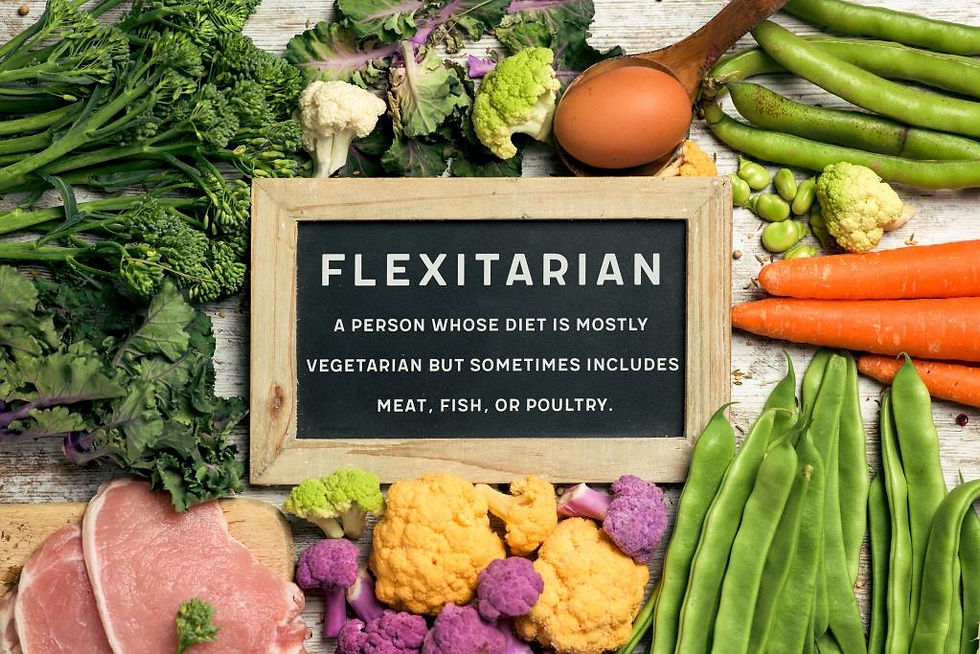
✳️Vegetarian Sources: Paneer (cottage cheese), tofu, sprouted legumes (mung, moth beans, chickpeas), lentils, sattu, Greek yogurt, soybeans, and low-fat cheese.
✳️Non-Vegetarian Sources: Boiled eggs (especially egg whites), chicken breast, and lean fish.
✳️ Protein Supplements: High-quality Whey Protein or plant-based protein powders under medical guidance if whole food intake falls short.
2. Stock Up on Micronutrients
✳️ Leafy Greens & Fruits: Spinach, fenugreek, broccoli, and antioxidant-rich fruits like berries, pomegranates, and apples.
✳️Nuts & Seeds: Almonds, walnuts, pumpkin seeds, sesame seeds, and flaxseeds for essential healthy fats (Omega-3s) and vital minerals.
3. Fiber and Gut Health
To combat constipation, include both soluble and insoluble fiber such as Psyllium Husk (Isabgol), oats, and clear vegetable soups. Incorporate natural probiotics like buttermilk, curd, or fermented rice water to nourish beneficial gut bacteria.
Sample Daily Meal Plan: Small Portions, High Nutrition
(Note: This sample plan is for illustration purposes and should be customized based on individual metabolic needs.)
| Time | What to Consume | Nutritional Benefit |
|---|---|---|
| Early Morning | 1 glass warm water + 5 soaked almonds + 2 walnuts | Essential Omega-3 fatty acids and brain nutrition |
| Breakfast | 2 boiled eggs OR 1 chickpea-spinach pancake (Besan Chilla) + 1 bowl Greek yogurt | High protein and essential vitamins |
| Lunch | 1 small Sorghum/Millet flatbread (Jwari/Nachni Bhakri) + 1 bowl dense Dal/Paneer + 1 bowl cooked green vegetables | High fiber, calcium, and sustained protein |
| Evening Snack | Sattu drink (Roasted gram flour in water/buttermilk) + 1 tsp pumpkin seeds | Sustained energy, easy digestion, and minerals |
| Dinner | 1 bowl mixed vegetable soup with Chicken/Tofu OR Mung bean Khichdi with a dash of Ghee | Light on the stomach, highly nourishing |
Critical Warnings for Diabetics and Patients with Pre-existing Conditions
GLP-1 medications were originally developed to manage Type-2 Diabetes, making careful monitoring imperative:
✳️Hypoglycemia Risk: If taken alongside insulin or sulfonylureas while food intake drops sharply, blood glucose levels can plummet dangerously. Watch for symptoms like tremors, cold sweats, and dizziness, and consult your doctor to adjust baseline medication doses.
✳️ Pancreatitis Hazard: GLP-1 agonists carry a risk of pancreatic inflammation. Severe, radiating abdominal-to-back pain warrants immediate discontinuation and urgent medical evaluation.
✳️Renal Function: Dehydration from severe nausea or diarrhea places direct stress on the kidneys. Maintaining an intake of at least 2.5 to 3 liters of fluids daily (including coconut water and electrolyte solutions) is mandatory.
The Sustainable Alternative: Beyond Quick Fixes
GLP-1 medications are not a magic wand. Clinical studies demonstrate that up to 80% of individuals regain lost weight once the medication is stopped. Long-term pharmaceutical dependency is neither realistic nor ideal.
The Gold Standard for Sustainable Health:
✳️Protein-Centric Diet: Naturally increase satiety by prioritizing proteins and eliminating refined carbohydrates and sugars.
✳️Resistance / Strength Training: Engaging in weight training 3 to 4 times a week—whether on GLP-1 therapy or not—is crucial to preserve muscle mass, protect bone density, and maintain metabolic rate.
✳️Stimulate Natural GLP-1: Consuming fiber-rich foods (oats, psyllium, leafy greens) on an empty stomach stimulates the body's natural GLP-1 secretion.
✳️Strict Medical Supervision: If clinical obesity (\text{BMI} > 35) necessitates medication, it must strictly occur under the direct supervision of an endocrinologist and a registered dietitian. Self-medication can be life-threatening.
Final Thoughts
GLP-1 receptor agonists are undoubtedly a powerful tool in modern medicine, but without proper understanding, they can act as a double-edged sword. "Losing weight" and "becoming healthy" are two distinctly different outcomes. Losing weight at the expense of vital muscle and nourishment leads toward physical frailty.
If you are using or considering these medications, shift your focus from the numbers on the scale to nutritional quality and muscle preservation. High-density nutrition in small portions, consistent physical strength training, and a disciplined lifestyle remain the true secrets to lifelong health!
---
Dr. Pranita Ashok
(MBBS, MD, PhD)
Clinical Nutritionist & Diet Consultant
Comments