The Low-GI Diet and Blood Sugar: How to Choose the 'Right Carbs' Without Quitting Them
- Jun 10
- 7 min read
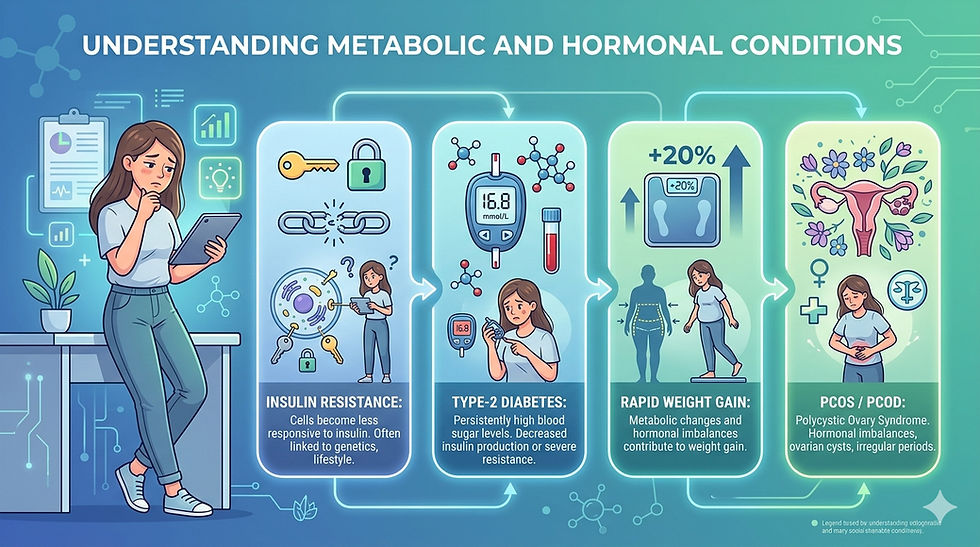
In today’s fast-paced corporate and digital era, metabolic health issues like 'Insulin Resistance, Type-2 Diabetes, rapid weight gain, and Polycystic Ovary Syndrome (PCOD/PCOS)'have entered almost every household. To combat these challenges, popular trends often push restrictive "Keto" or "No-Carb" diets that eliminate carbohydrates entirely.
However, carbohydrates are your body’s primary source of energy. Completely cutting them out can lead to chronic fatigue, mood swings, brain fog, and nutritional deficiencies. So, what is the sustainable alternative? The answer is simple: Do not quit carbohydrates; instead, learn to choose the 'Right Carbohydrates'. This is exactly what a Low-Glycemic Index (Low-GI) Diet teaches you.
In this comprehensive guide, we will unpack the science behind the Low-GI diet, its deep-rooted connection to traditional Indian kitchen wisdom, and how you can practically implement it for optimal health.
1. What is the Glycemic Index (GI)?
The Scientific Breakdown

The Glycemic Index is a rating system from **0 to 100** that measures how rapidly a carbohydrate-containing food raises your blood glucose (sugar) levels after consumption.
```
[Food Consumption] ---> [Digestion] ---> [Speed of Blood Glucose Rise] ---> GI Rating (0-100)
Foods are broadly classified into three categories based on their GI values:
Low Glycemic Index (Low GI):Rated 55 or less. These foods digest slowly, releasing glucose gradually into the bloodstream without causing sharp spikes.
Medium Glycemic Index (Medium GI): Rated 56 to 69. These foods cause a moderate, steady rise in blood sugar.
High Glycemic Index (High GI): Rated 70 or more. These foods cause an immediate, rocket-like surge in blood sugar.
The Golden Rule of Glycemic Load (GL)
Looking at the GI alone does not give you the full picture; you must also understand Glycemic Load (GL). While GI tells you how fast a food turns into sugar, GL measures how much sugar it delivers per typical serving size.
The Formula:
Example: Watermelon has a high GI (~72), but because it is mostly water and very low in actual carbohydrates, its GL per serving is extremely low (~4). Therefore, eating it in moderation is perfectly safe.
2. The Dangerous Trio: Insulin Resistance, PCOD, and Blood Sugar
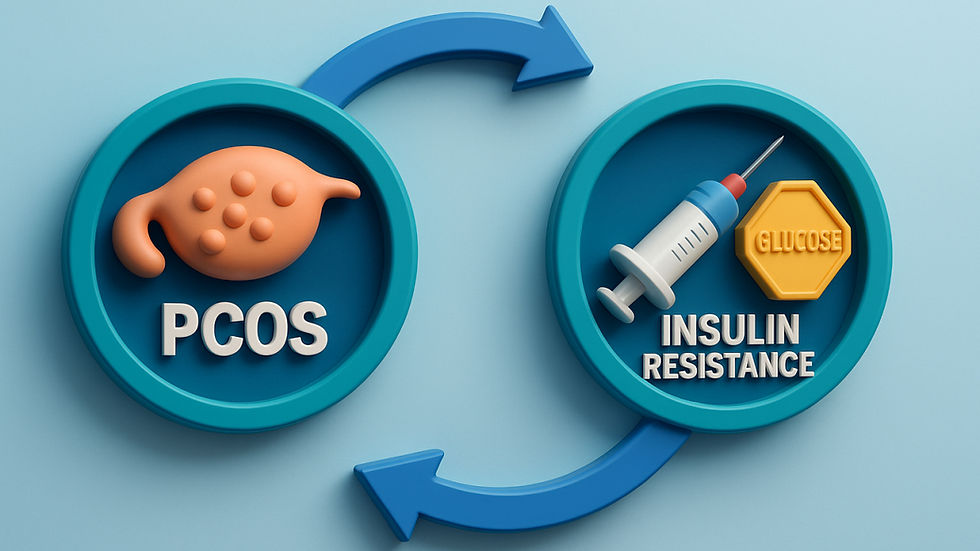
When we consume High-GI foods (such as white rice, refined flour/maida, sugar, and processed snacks), our blood sugar spikes rapidly. In response, the pancreas releases a massive surge of a hormone called insulinto clear sugar from the blood.
When this cycle repeats multiple times a day for years, our body's cells eventually become numb to insulin. This condition is called 'Insulin Resistance'.
The PCOD-Insulin Connection
Many women are unaware that PCOD/PCOS and Insulin Resistance are deeply intertwined. When insulin levels remain chronically high in the body:
1. It signals the ovaries to produce excess androgens (male hormones).
2. This hormonal imbalance leads to irregular periods, facial hair growth, acne, and stubborn weight gain around the belly.
3. A Low-GI Diet stabilizes blood sugar fluctuations, reducing overall insulin levels and naturally alleviating PCOD symptoms.
Caption: Incorporating traditional Indian millets like Ragi and Bajra into your daily diet is an excellent way to switch to low-GI carbohydrates.
A collection of raw low-GI Indian whole grains including Ragi (finger millet), Bajra (pearl millet), and steel-cut oats in traditional clay bowls.
3. The Power of Indian Millets and Whole Grains

Our ancestors may not have known the modern term 'Glycemic Index', but their dietary choices were inherently based on low-GI principles. Traditional Indian millets (Tridhanya) are nutritional powerhouses. Let’s look at them through a scientific lens:

A) Ragi (Finger Millet) – GI: ~54 to 68 (Depending on processing)
Ragi is a premium source of dietary fiber and essential minerals.
The Benefit: It is packed with polyphenols and complex dietary fibers that delay digestion and slow down glucose absorption.
Calcium Superfood: Ragi contains up to 3 times more calcium than milk and other grains, making it crucial for bone density in women dealing with PCOD.

B) Bajra (Pearl Millet) – GI: ~54 to 58
A winter staple in many parts of India, Bajra is an exceptional source of long-lasting energy.
The Benefit: Bajra is loaded with magnesium, a vital mineral that helps improve the efficiency of insulin and glucose receptors in the body.
Satiety: Its high-fiber structure keeps you full for hours, effectively preventing mid-meal sugar cravings.
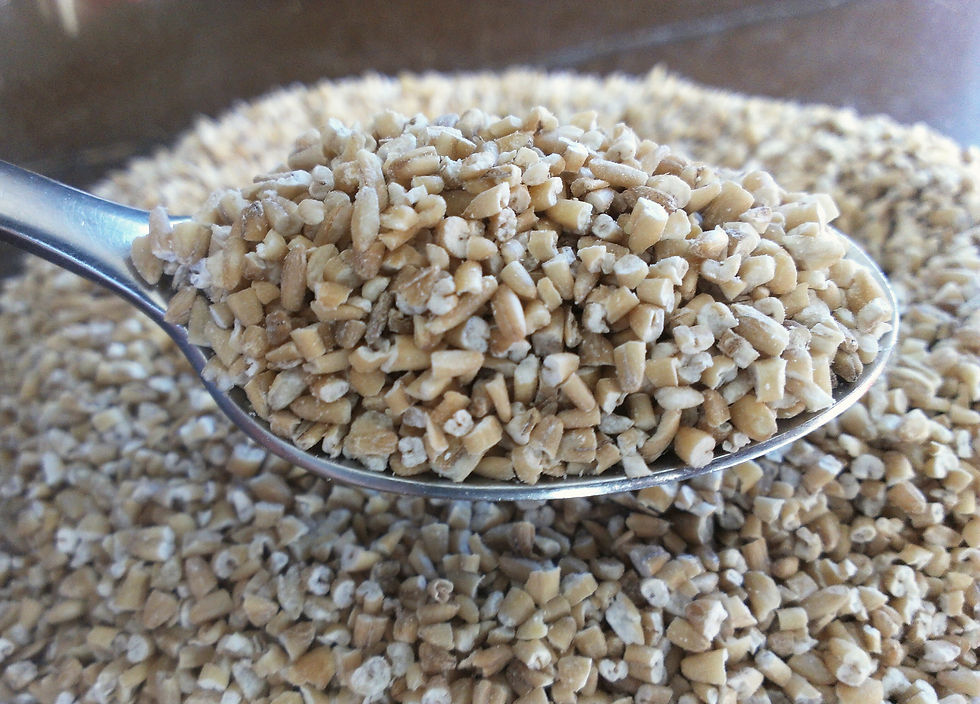
C) Steel-Cut Oats – GI: ~55
Oats have earned global popularity for a reason, but the type of oats matters.
The Benefit: Oats contain a unique type of soluble fiber called Beta-glucan. This fiber forms a gel-like substance in your digestive tract, slowing down the absorption of both carbohydrates and cholesterol.
Tip: Always choose Steel-Cut or Rolled Oats over Instant Oats, as the latter are highly processed and have a much higher GI.

D) Whole Grains (Hole Grains)
Grains with their outer bran layer intact—such as unpolished wheat, brown rice, barley (Jav), and sorghum (Jowar)—require the digestive system to work harder, delivering a steady stream of sustained energy rather than a sudden spike.
4. The Science of Food Combinations in the Indian Kitchen
Traditional Indian meals are remarkably balanced when eaten correctly. The ancient practice of blending different food groups inherently lowers the glycemic impact of the entire meal.
The Physics of Lowering GI
Even if an individual food item has a high GI, combining it with Fiber, Protein, and Healthy Fats drastically drops the
Glycemic Load of the entire plate.
The Traditional Indian Thali: White rice on its own has a high GI. However, when we mix it with Dal (Protein), a dollop of Pure Ghee (Healthy Fats) and a side of Sabzi/Koshimbir (Fiber), the overall glycemic load of the meal plunges safely into the low-to-medium zone.
The Magic of Fermentation: The process of fermenting batter for Idli and Dosa converts regular starches into Resistant Starch. This type of starch resists rapid digestion, lowering the GI of the final dish.

A perfect example of a balanced, low-GI Indian meal where complex carbs are paired with fiber and proteins to keep blood sugar stable.
5. Practical Low-GI Swap Guide (Data Table)
Use this quick reference table to make healthier, low-GI choices in your everyday cooking:
(Food Category : Avoid or Limit (High GI > 70) ; Healthy Swaps (Low GI < 55) .
Grains & Flours : White Rice, Refined Flour (Maida), White Bread, Cornflakes; Ragi, Bajra, Jowar, Brown/Hand-churned Rice, Barley, Steel-Cut Oats.
Pulses & Legumes : Puff Rice snacks (Processed); Chickpeas (Chana), Moong, Masoor, Matki, Kidney Beans (Rajma) (Almost all dals are naturally low-GI).
Fruits : Watermelon, Overripe Bananas, Dates (Consume in strict moderation) ; Apples, Oranges, Guava, Pears, Papaya, Berries (Strawberries, Jamun) .
Vegetables: Potatoes, Sweet Potatoes, Sweet Corn | Spinach, Fenugreek (Methi), Cabbage, Cauliflower, Bottle Gourd (Dudhi), Bitter Gourd (Karela), Okra.
Snacks : Biscuits, Potato Chips, Fried Farsan, Cakes; Roasted Makhana (Foxnuts), Almonds, Walnuts, Roasted Peanuts, Sprouted Sprouts.
6. Pro-Tips to Transition to a Low-GI Lifestyle Easily
1. Modify Your Flour (Atta): Instead of using 100% wheat flour, mix it with Jowar, Bajra, and Ragi flour to create a custom multigrain blend for your daily rotis.
2. Do Not Overcook: Do not overcook or completely mash your pasta or rice. The more a food is broken down by heat, the faster your body converts it into sugar. Keep your rice Al dente (slightly firm).
3. Eat Whole Fruits, Skip the Juice: Juicing strips away the essential structural fiber, leaving behind concentrated liquid fructose that rapidly enters the bloodstream. Always prefer chewing the whole fruit.
4. Embrace Acidic Components: Adding a squeeze of fresh lemon juice or a dash of Apple Cider Vinegar to your meals naturally slows down gastric emptying, keeping post-meal sugar spikes at bay.
Conclusion
Managing your blood sugar or fighting conditions like PCOD does not demand a life of starvation or giving up your staple foods. It simply requires conscious, scientific eating. Instead of chasing unsustainable 'Zero-Carb' fads, embrace the rich heritage of Ragi, Bajra, and complex whole grains that our culture has always offered. By pairing your carbs with the right proteins and fibers, you can lock in a life of sustained health and vitality.
Frequently Asked Questions (FAQs)
Q1: Is it absolutely mandatory to cut out carbs to lose weight?
A: Not at all. Carbohydrates are your body's main fuel source. Eliminating them entirely can cause muscle loss, chronic fatigue, and nutritional gaps. Transitioning to a Low-GI diet is a far more sustainable, enjoyable, and healthy way to shed weight and keep it off permanently.
Q2: Is Ragi truly beneficial for women dealing with PCOS/PCOD?
A: Yes. Ragi has a low-to-medium GI and is incredibly rich in dietary fiber, preventing sudden spikes in insulin. Furthermore, its exceptionally high calcium content helps support bone health, which is a common concern for women dealing with hormonal imbalances.
Q3: Can I eat white rice if I am on a low-GI lifestyle?
A: Yes, you can. While white rice by itself has a high GI, you can dramatically lower its overall Glycemic Load through food pairing. Always eat your rice alongside a generous portion of Dal (protein), a serving of green vegetables or fresh salad (fiber), and a teaspoon of pure ghee (healthy fats).
Q4: Does the way I cook my food affect its Glycemic Index?
A: Yes, it does. The more a carbohydrate is cooked, baked, or mashed, the easier it is for your digestive enzymes to break it down, which increases its GI. For example, raw carrots have a low GI, but over-boiled, pureed carrots have a significantly higher GI.
Q5: What is the difference between Instant Oats and Steel-Cut Oats?
A: Instant oats are pre-cooked, dried, and rolled thin during processing, making them very fast to digest (high GI). Steel-cut oats are simply whole oat groats chopped into pieces; they retain all their complex fibers, take longer to digest, and keep your blood sugar stable (low GI).
---
Scientific References (For SEO & Authority)
1. Harvard T.H. Chan School of Public
Health:"Carbohydrates and Blood Sugar" – A foundational study on the clinical impact of Glycemic Index and Glycemic Load on metabolic wellness.
2. American Diabetes Association (ADA):
"Glycemic Index and Diabetes"– Official guidelines recommending low-GI carbohydrate substitutes for managing glycemic fluctuations.
3. The Lancet Diabetes & Endocrinology:
"Dietary carbohydrate intake and mortality: a prospective cohort study"– Research highlighting the long-term health benefits of consuming high-quality, complex carbohydrates.
4. ICMR - National Institute of Nutrition (NIN),
India:"Nutritive Value of Indian Foods"– Data confirming the rich fiber, mineral, and micronutrient composition of regional Indian millets.
5. The Journal of Clinical Endocrinology & Metabolism:
"Insulin resistance and Polycystic Ovary Syndrome (PCOS)" – A clinical review establishing the direct causative link between insulin spikes and ovarian androgen production.
---

Comments